Designing your dream kitchen is an exciting yet challenging undertaking. The kitchen is often considered the heart of the home, so it’s essential to create a space that enhances both functionality and aesthetics. When embarking on this project, there are several key considerations to keep in mind to ensure your kitchens meet your needs and reflect your personal style.
1. Assessing Your Needs and Lifestyle
Before diving into the design, it’s crucial to assess your needs and lifestyle. Consider how you use your kitchens on a daily basis. Are you an avid cook who needs ample counter space and professional-grade appliances? Or do you see your kitchen primarily as a gathering space for family and friends?
Understanding your cooking habits, family size, and entertaining preferences will guide decisions about layout, features, and finishes. By tailoring your kitchen design to fit your lifestyle, you can create a more functional and enjoyable space.
2. Choosing the Right Layout
The layout of your kitchens is a critical factor in optimizing both functionality and flow. Common kitchen layouts include U-shaped, L-shaped, galley, and open-concept designs. Each layout has its benefits and can be tailored to suit your specific needs.
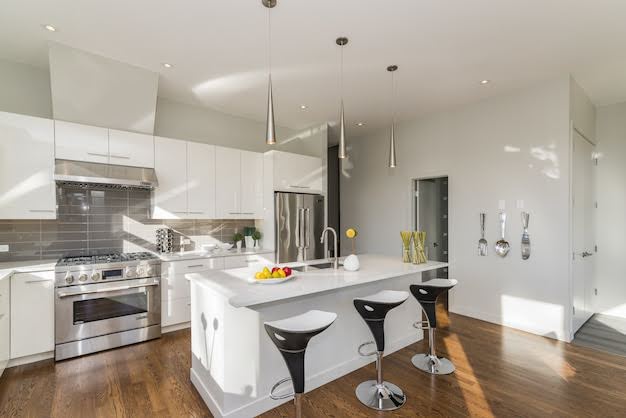
For instance, an open-concept kitchen allows for easy interaction with guests while cooking, whereas a U-shaped kitchen offers more storage and counter space. When selecting the layout, think about traffic patterns, accessibility to appliances, and how the kitchen will integrate with other living spaces in your home.
3. Selecting Quality Materials
The materials you choose for your kitchens will significantly impact both the look and longevity of the space. Cabinets, countertops, flooring, and backsplashes should be selected not only for their visual appeal but also for their durability and maintenance requirements.
High-quality materials can withstand the rigors of daily use while still maintaining their aesthetic charm. For example, granite or quartz countertops are not only visually striking but also resist scratches and stains, making them practical choices for busy kitchens.
4. Incorporating Functional Storage Solutions
Effective storage solutions are essential for keeping your kitchens organized and clutter-free. As you design your space, think about incorporating smart storage options such as pull-out shelves, lazy Susans, and deep drawers for pots and pans. Additionally, consider vertical storage by using wall space for shelving or cabinets that reach the ceiling.
This not only maximizes storage capacity but also draws the eye upward, making the space feel larger. By considering functional storage solutions, you can create kitchens that are both beautiful and practical.
5. Planning for Lighting and Ambiance
Lighting plays a crucial role in the functionality and ambiance of your kitchens. A well-lit kitchen not only makes cooking easier but also enhances the overall atmosphere for gatherings. Consider incorporating multiple layers of lighting, including general, task, and accent lights.
Pendant lights above the island or under-cabinet lighting can provide the necessary illumination for cooking and prep work. Carefully planning your lighting layout will create welcoming kitchens that feel open and inviting.
Conclusion
In conclusion, designing your dream kitchen involves thoughtful consideration of your needs, layout, materials, storage, and lighting. By focusing on these key aspects, you’ll be better equipped to create kitchens that reflect your personal style and meet your everyday needs.
Whether you envision a modern masterpiece or a cozy, traditional space, taking the time to plan can help you achieve a kitchen you’ll love for years to come.