
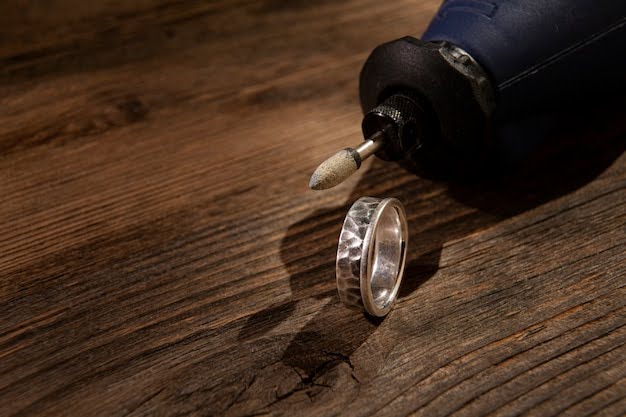
In the world of industrial machining and fabrication, tool selection can make the difference between efficient operations and costly setbacks. Among the various options available, diamond-based cutting and grinding solutions have emerged as the gold standard for demanding applications across multiple industries. The superior performance of diamond tools stems from diamond’s exceptional hardness and unique physical properties, making them indispensable for professionals who require precision, efficiency, and longevity in their operations.
1. Unmatched Durability and Tool Life
One of the most significant advantages of using diamond tools is their exceptional lifespan compared to conventional abrasives. Diamond is the hardest known natural material, providing remarkable resistance to wear even when processing the toughest materials.
This durability translates to fewer tool changes, reduced downtime, and lower overall tooling costs despite higher initial investment. In production environments, extended tool life means consistent quality over longer runs and fewer interruptions to maintain productivity targets.
2. Superior Cutting Performance
Diamond tools deliver cutting performance that conventional tools simply cannot match. They maintain sharp cutting edges longer, ensuring clean, precise cuts throughout their service life.
This consistency is particularly valuable when working with hard materials like ceramics, glass, stone, concrete, and composite materials. The superior cutting action reduces material chipping, cracking, and edge damage, resulting in higher quality finished products and less waste from rejected parts.
3. Increased Productivity and Efficiency
The enhanced performance of diamond tools directly translates to improved operational efficiency. Faster cutting speeds and feed rates reduce cycle times, allowing manufacturers to complete more work in less time.
The reduced need for tool changes minimizes non-productive downtime, while the consistent performance eliminates the quality variations that occur as conventional tools wear. This combination of speed and reliability maximizes machine utilization and boosts overall productivity.
4. Cost-Effectiveness Over Time
While diamond tools require a larger upfront investment, their total cost of ownership is typically lower than conventional alternatives. Extended tool life means purchasing fewer replacements over time. Reduced downtime for tool changes translates to more billable hours and greater output.
Lower power consumption due to efficient cutting action reduces energy costs. When calculating true cost per part or cost per cut, diamond tools frequently prove more economical than seemingly cheaper alternatives.
5. Versatility Across Materials
Diamond tools excel at processing an incredibly diverse range of materials. From hard stones and ceramics to soft aluminum and plastics, from reinforced composites to semiconductor wafers, diamond tooling handles materials that would quickly destroy conventional abrasives.
This versatility makes them ideal for job shops and manufacturers working with varied material specifications, eliminating the need to stock multiple specialized tool types.
Conclusion
Diamond tools represent a smart investment for professionals serious about quality, efficiency, and long-term cost control. Their unmatched durability, superior cutting performance, productivity benefits, cost-effectiveness, material versatility, and finish quality make them the preferred choice across industries from construction and stone fabrication to aerospace and electronics manufacturing. While the initial cost may be higher, the comprehensive benefits make diamond tools an essential component of competitive modern operations.